Yu Liu

Yu Liu

I build instruments — and lately, a microscope you can afford.

Most of my work lives in the gap between a physics idea and a box that actually measures something — nanoparticles levitated in an ion trap, a spectrometer with no grating in it, a laser lock running on an FPGA. I usually end up owning the whole stack: the optics, the PCB, the firmware, and the reconstruction code on top.

I did my master's in quantum engineering at ETH Zürich, and engineering physics before that in Hong Kong. I like hardware that ships, and I'm suspicious of instruments that only work in the lab they were born in.

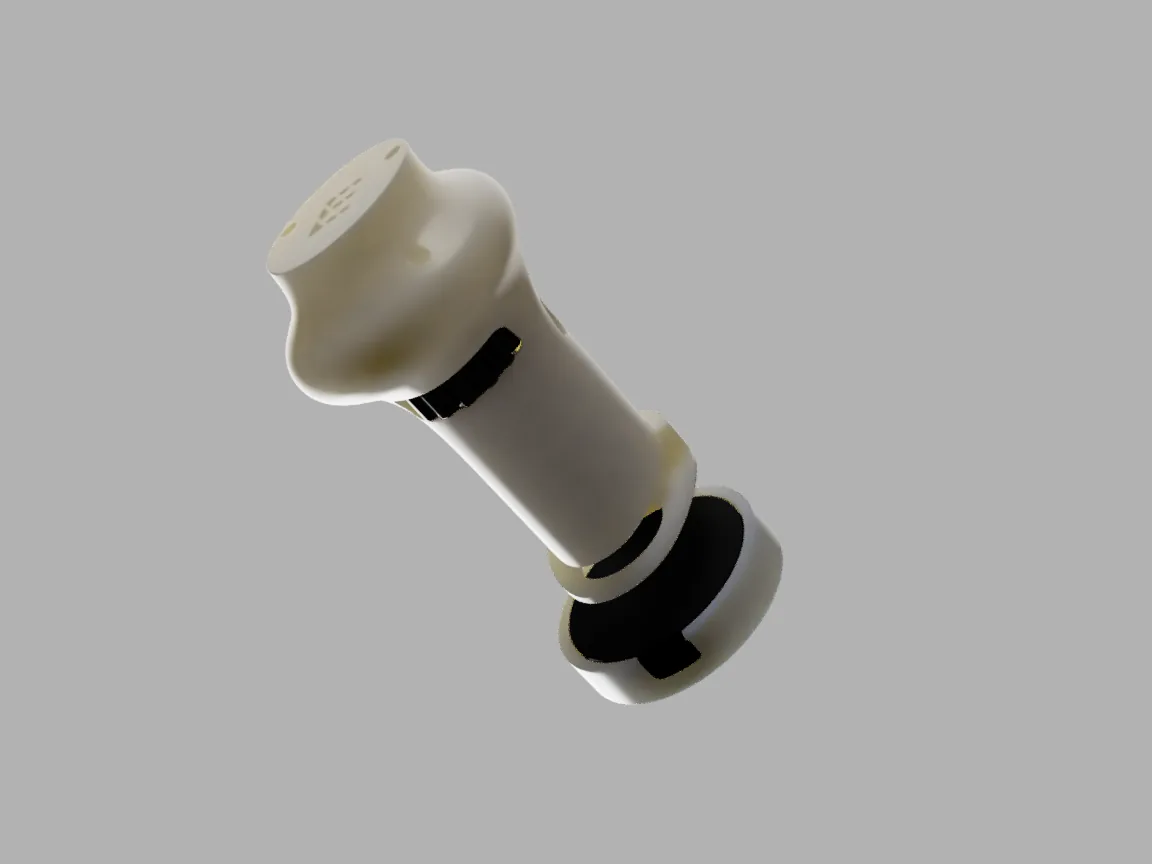
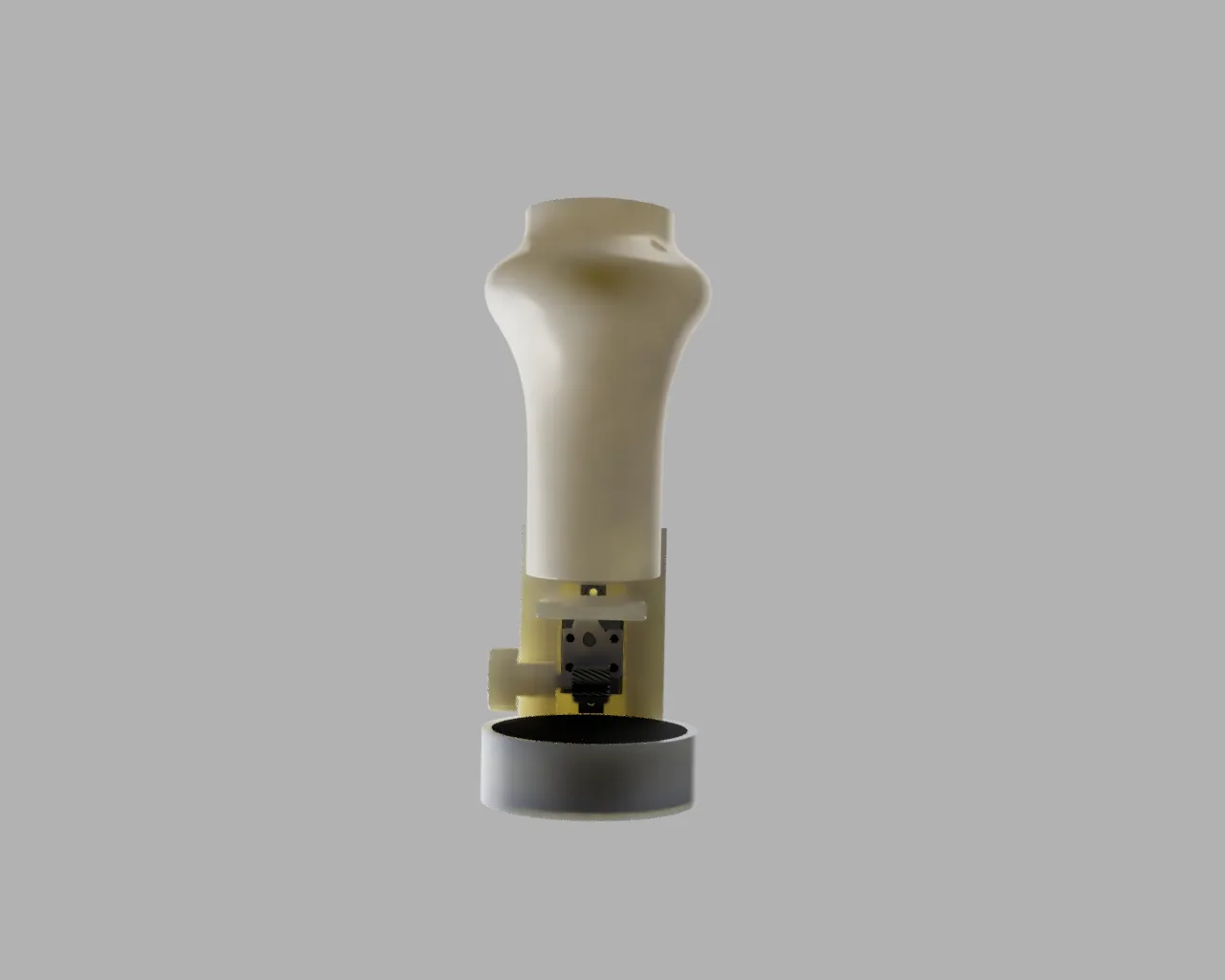
Now — building Eureka, a microscope with real optical quality at a price people will actually pay. Zürich. Always up for a conversation about optics, weird sensors, or starting things.

Work

Earlier work isn't all here — ask me for a CV
Master’s thesis

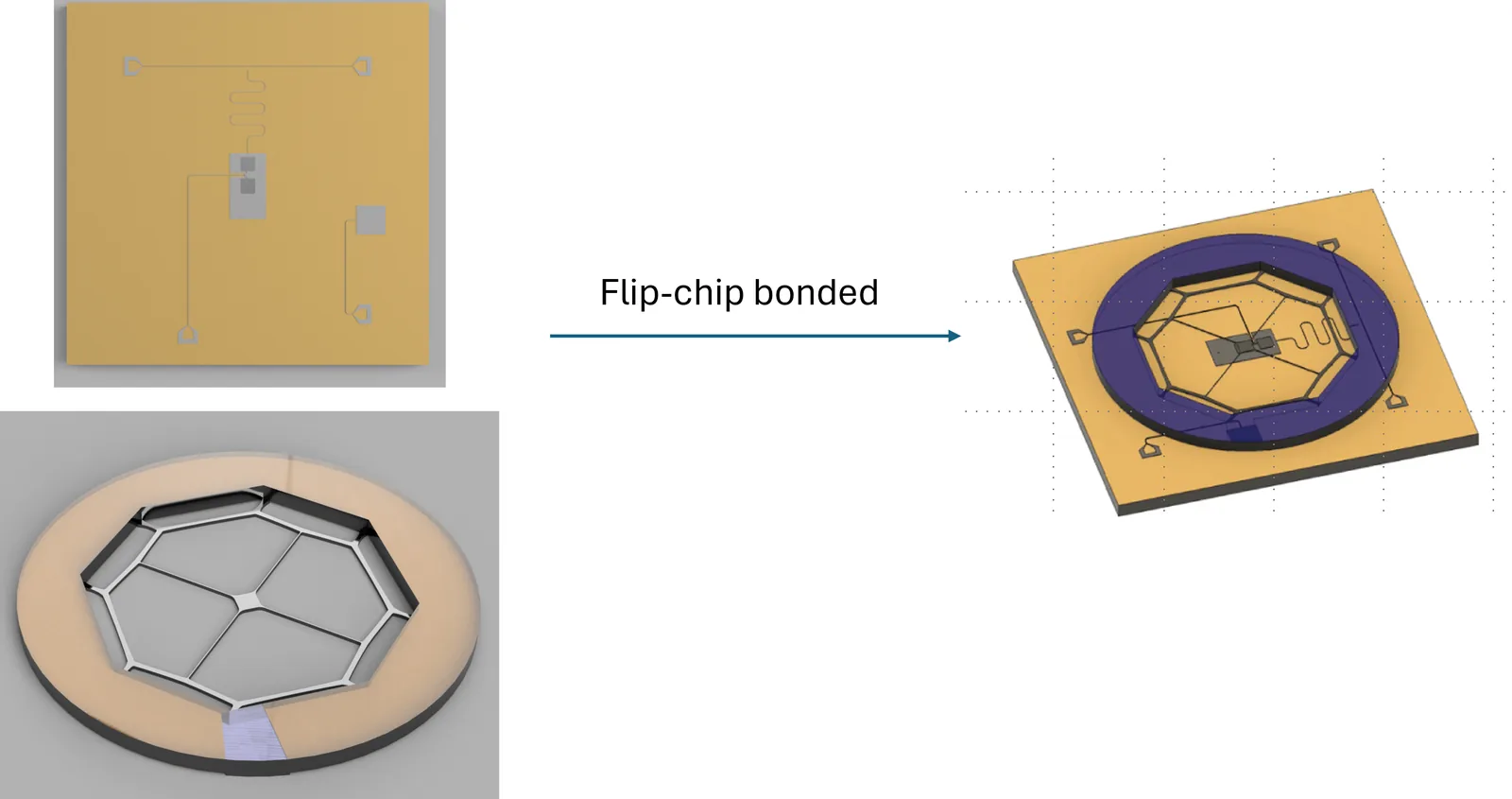
Engineering ultrastrong coupling between a membrane and a transmon

Hybrid Quantum Systems Group, ETH Zürich · Prof. Yiwen Chu, Dr. Simon Storz · 2026

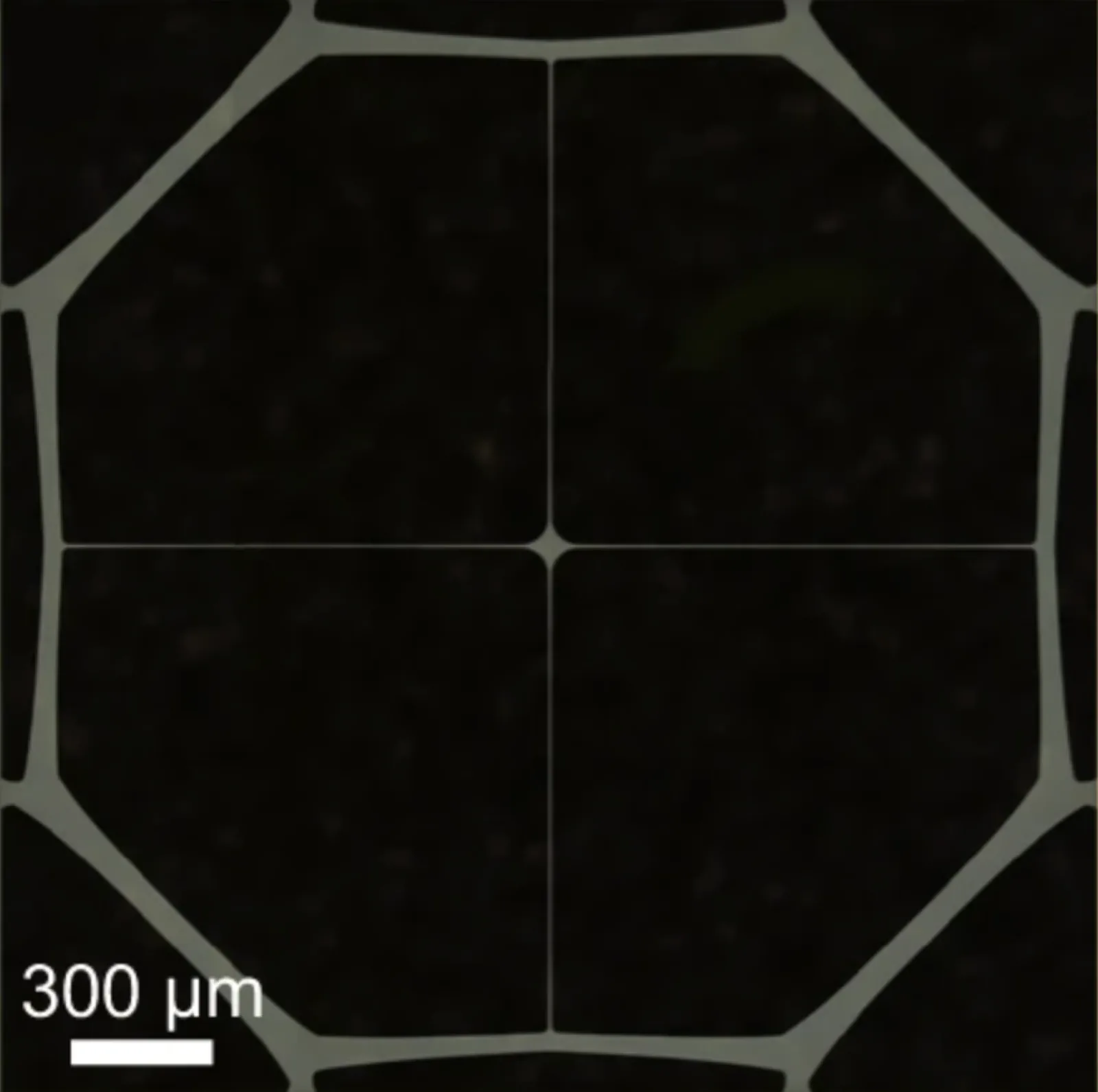
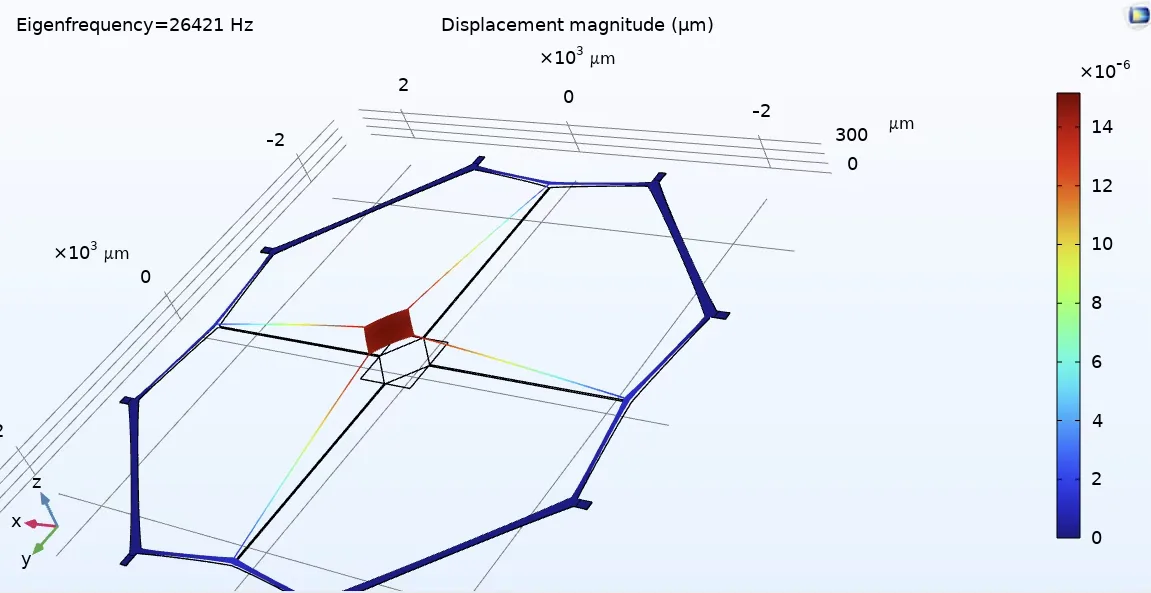
Can a kHz Si₃N₄ membrane be coupled to a superconducting qubit hard enough to reach deep strong coupling? Theory, an FEM model with Bayesian-optimised tether geometry, and interferometry on real metallised membranes. For a transmon, no — pull-in arrives first. For a Cooper-pair box, yes.

Circuit QEDFEMInterferometry Thesis PDF →

A spectrometer with no grating

ETH Zürich · Optical Nanomaterial Group · 2024

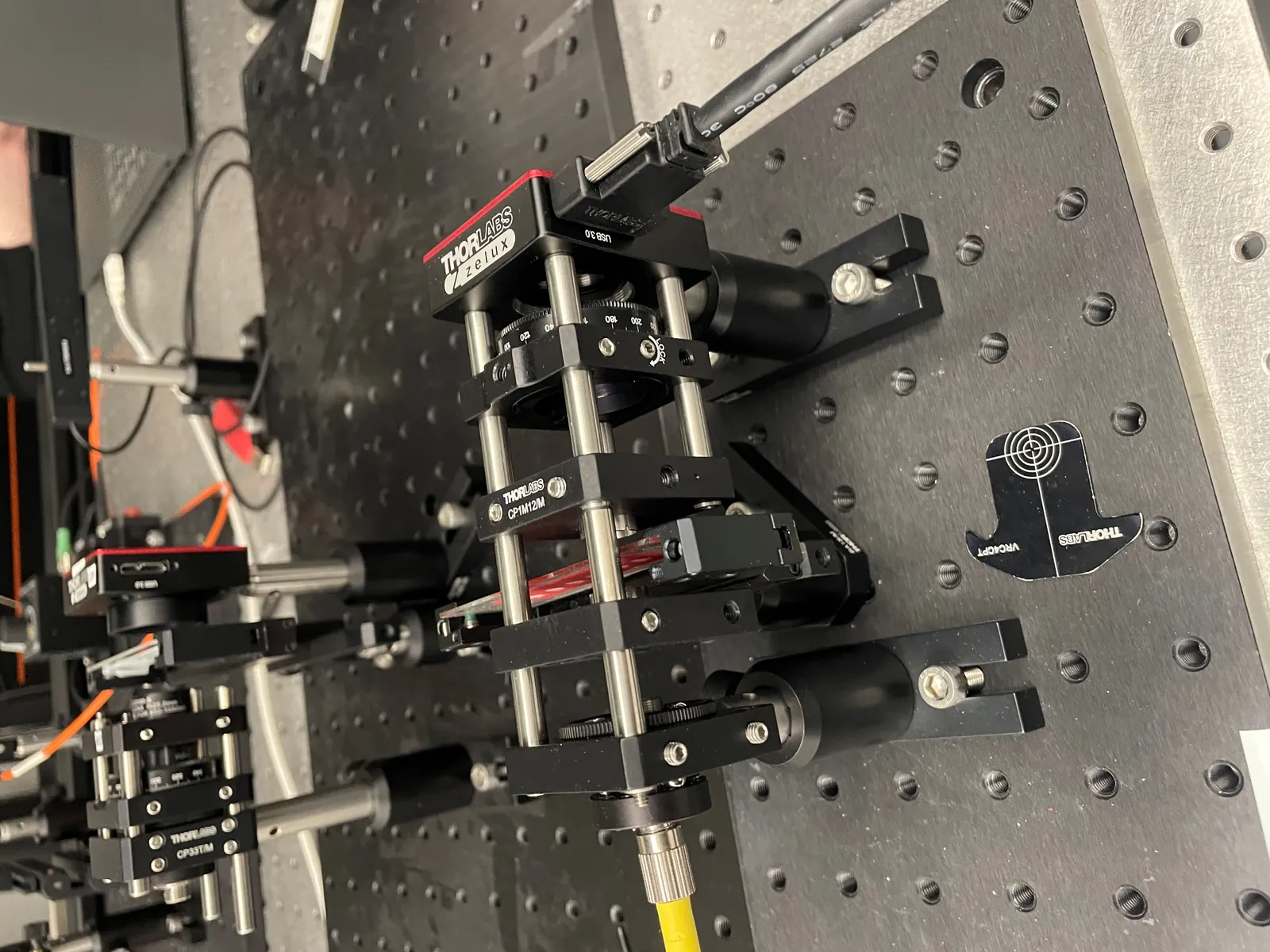
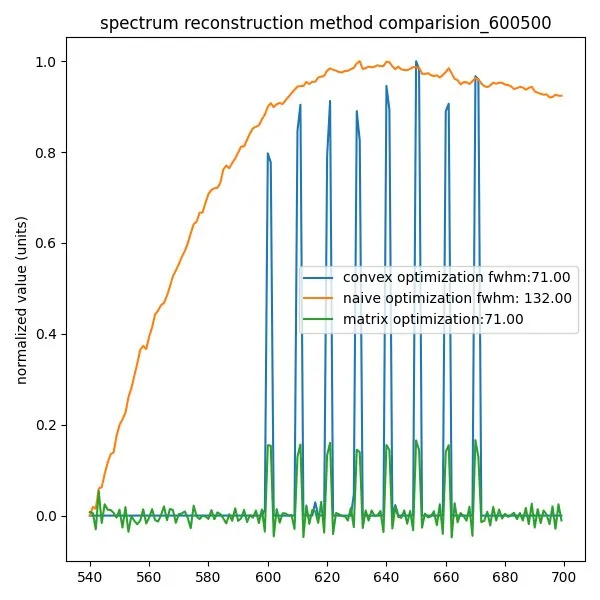
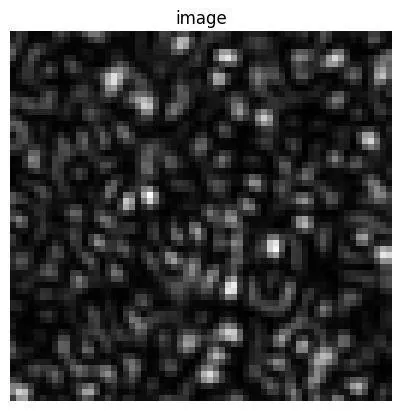
Built the optical bench and data pipeline, then taught a convolutional autoencoder to invert it — as accurate as linear reconstruction.

PyTorch1 nm · 550–700 nmInverse problemsReport →

Ballistic gravimeter on a Paul trap

Team lead · ETH Photonics Lab · 2023 – 24

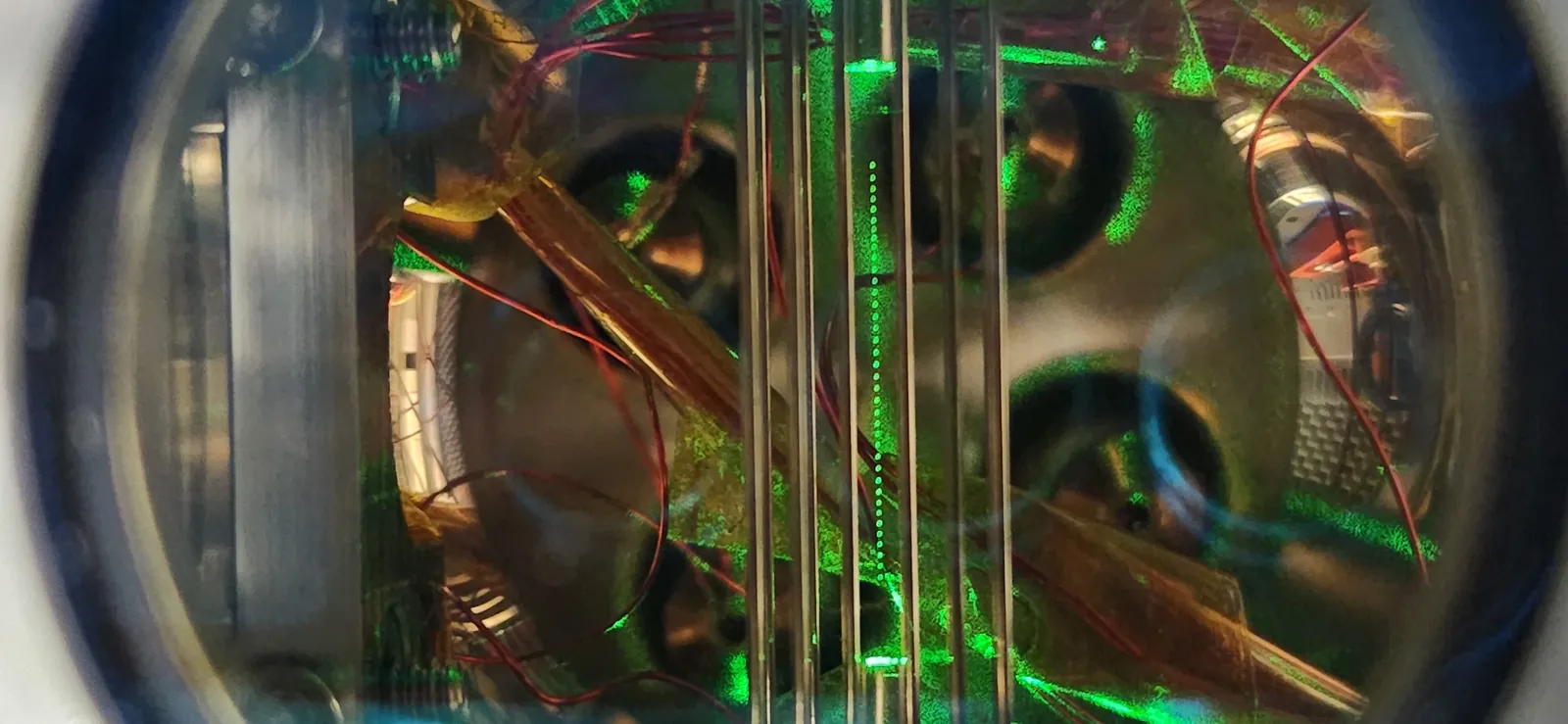
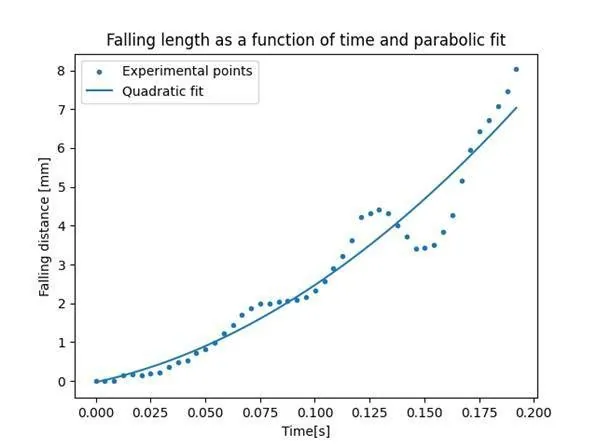
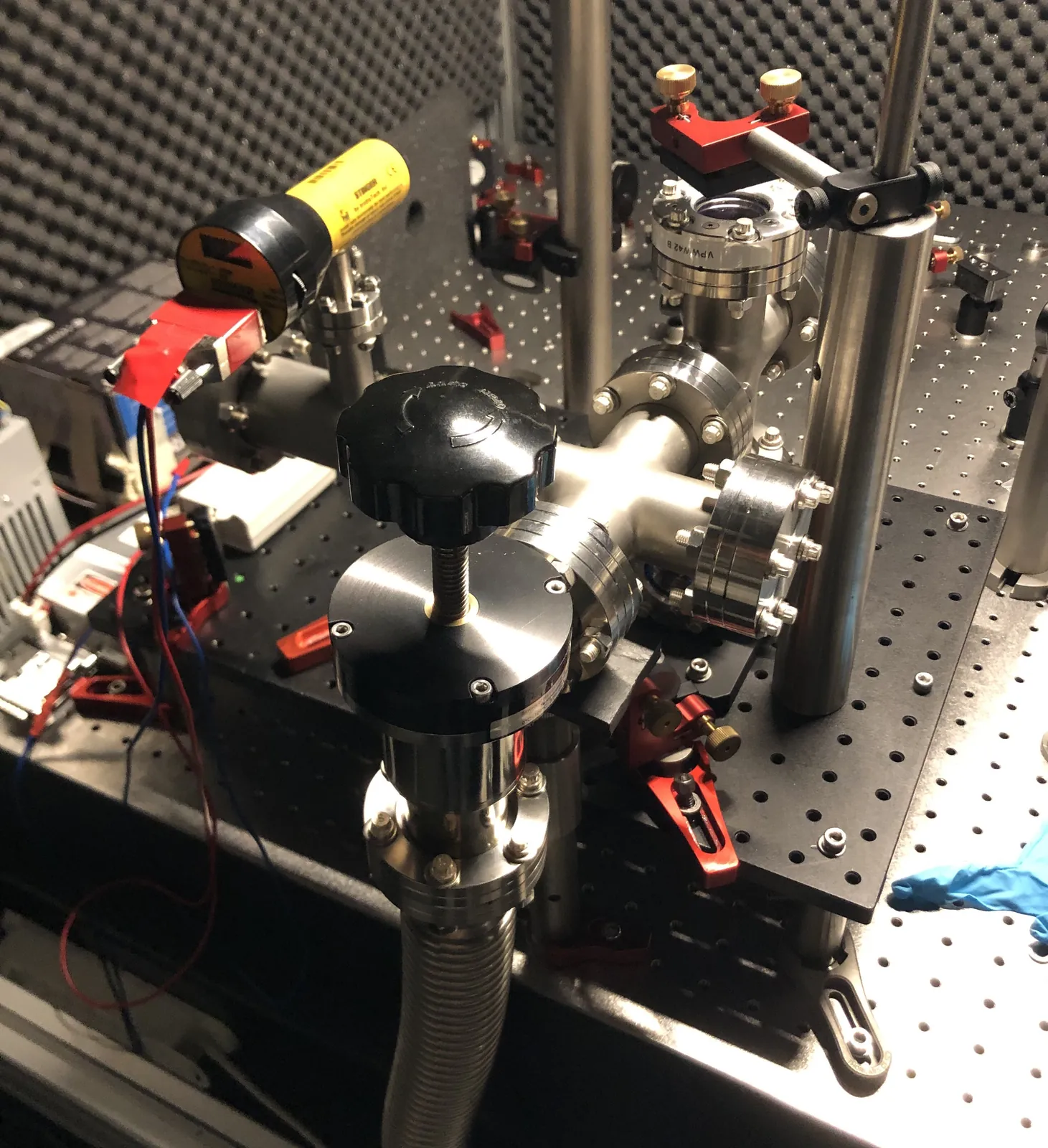
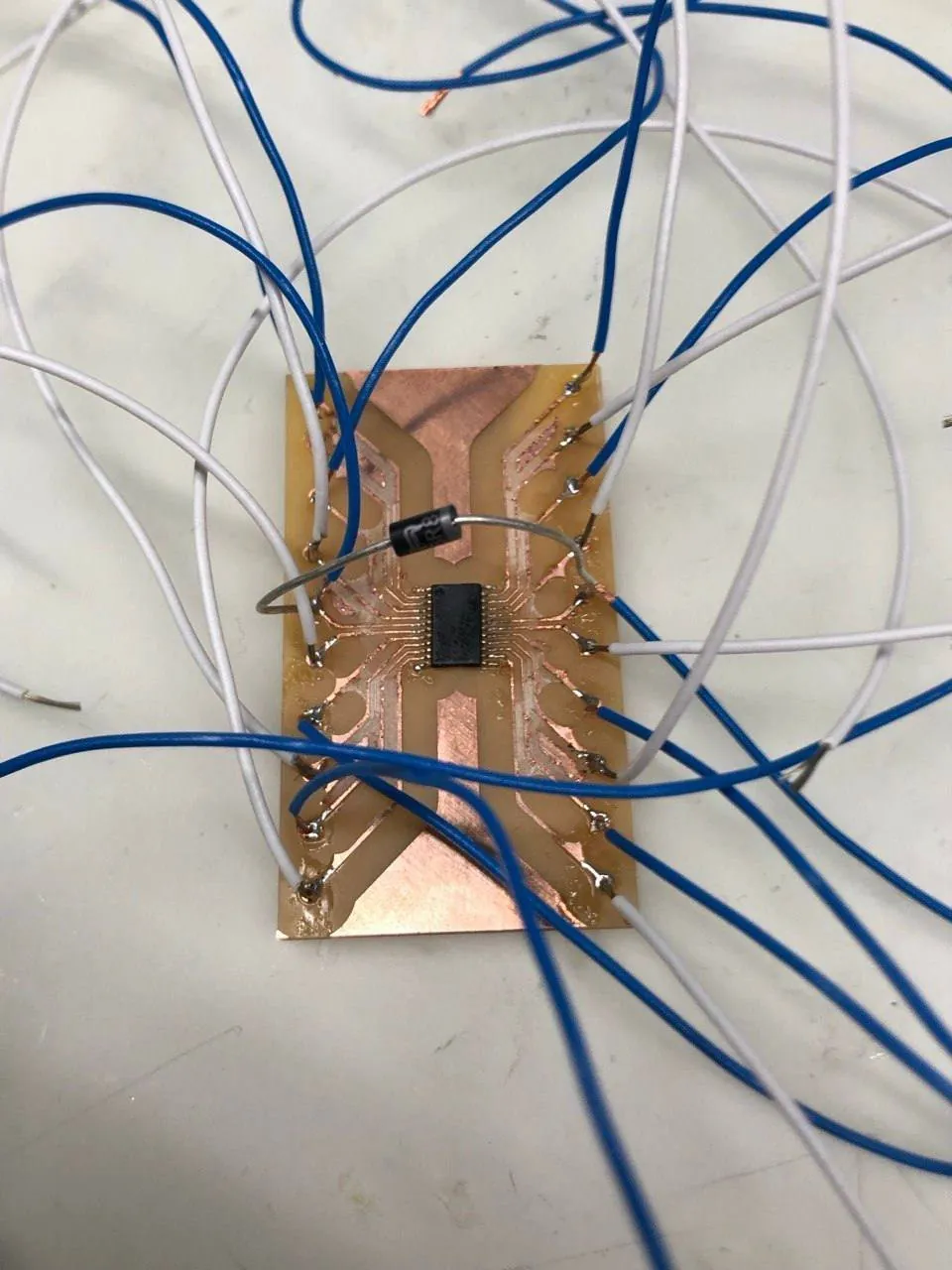
Drop a trapped nanoparticle, time the fall, get g. Designed the trap through ten revisions and debugged the high-voltage switching board.

g to 0.2 m/s²10⁻³ PaPCBReport →

FPGA frequency-to-voltage converter

ETH Quantum Optics Lab · 2023

A laser lock that beats FFT: 100 kHz resolution in a 10 µs window. Verilog through to Python — now running in several labs.

SystemVerilogRed PitayaQCE23 →

Why glass releases heat the way it does

Hong Kong PolyU · Prof. Chi-hang Lam · 2021 – 22

Thousands of lattice-model runs in C++ to pull a power law out of the data, and a two-level-system account that explains it.

C++SimulationStatistical physics

Keeping a quantum cascade laser cold

Lasense Technology · Hong Kong · 2021

A PID thermal package prototype, from design to bench test, plus the Ansys Icepak simulations behind a new gas-sensor product.

PIDAnsys IcepakThermal

The Lab

Small things, built fast, for the fun of it
More at lab.yuliu.dev
Web

This site

No framework, no build step, no dependencies. The project thumbnails are SVGs of the actual physics.

Source →
Generative

Fri(i)ends

An NFT collection of AI-assisted portraits, one per friend. Mostly an excuse to take a Stable Diffusion pipeline apart and read the sampler internals.

On Rarible →
> next experiment lands here

Writing

Notes on optics, hardware, and getting things to work
Nothing published yet — the first one is in progress

Off the clock

Music

I wrote and produced an album about the life that starts after you leave home.

Making pictures

AI-assisted art, usually made as a gift rather than a portfolio piece.

Making things

3D printing, small mechanisms, and whatever needs to exist by Friday.

Education

  • M.Sc. Quantum Engineering — ETH Zürich2022 – 26
  • B.Sc. (Hons) Engineering Physics — Hong Kong PolyU2018 – 22

Publication

Laser Frequency Stabilization Using a Prescaler and a High-Resolution Frequency to Voltage Converter Y. Liu, A. Frank, T. Esslinger, T. Donner, A. Akin IEEE QCE, 2023 · Xplore

Awards

  • ETH Quantum Hackathon — honorable mention, NVIDIA track2024
  • Innosuisse Business Concept — first runner-up2023
  • First Class Honours & Dean's Honour List, PolyU2022
  • Plancks Physics Competition — HK representative2021
  • Hong Kong Jockey Club Scholarship2020

Say hello

Easiest at hey@yuliu.dev. I answer most things, and I'm especially happy to talk about optics on a budget, instruments that escape the lab, or building a hardware team from nothing.